

News - Oct 2025
A World for Travel - Unusual Suspects Panel
Exploring how space science, data, and marine innovation are reshaping the future of sustainable travel.
Read the post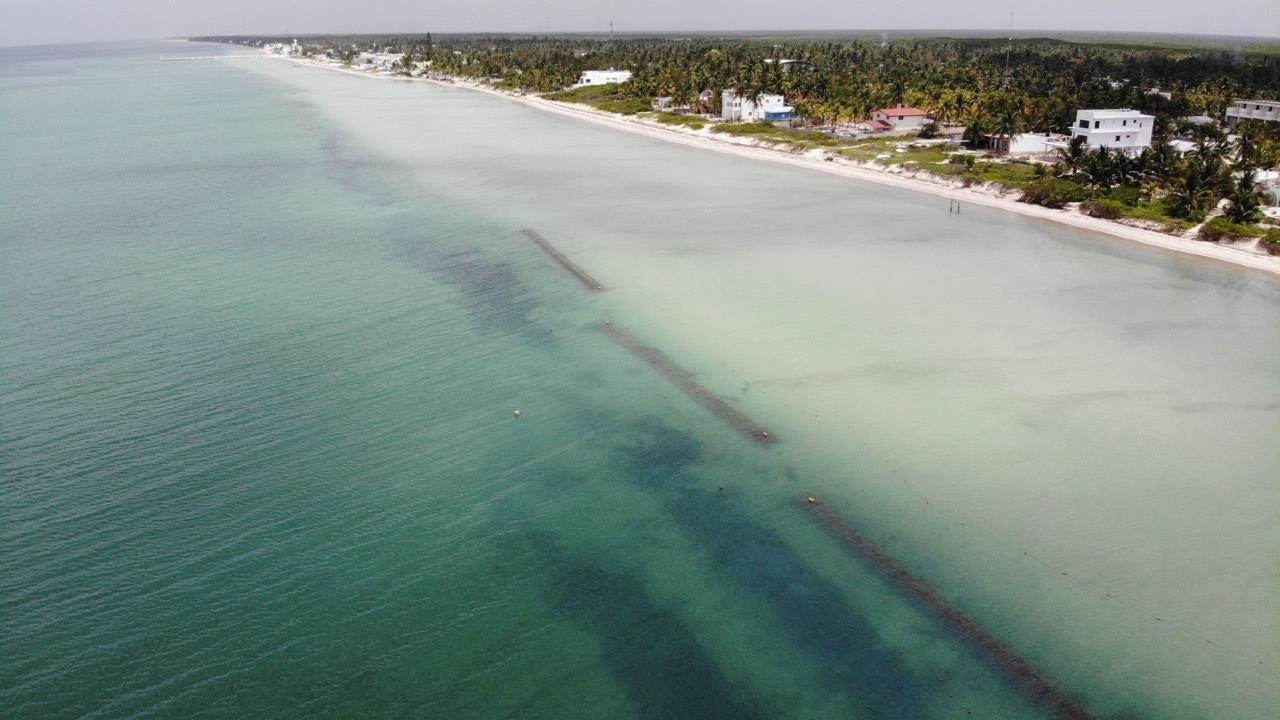
...and restoring marine life along the way.
We design reefs that calm waves offshore and help beaches recover. Each one starts with a detailed model of your stretch of coast, so it is sized and placed for the sea you actually face.
Different coasts, different pressures. Choose the one closest to yours and we will show you what we would do there, and how to start.

Keep the beach your guests pay for, with calmer water and a reef to snorkel.
Go to hotels and resorts
Lower whole-life cost, less visual impact and habitat gain.
Go to coastal authorities
Coastal CFD and wave modelling for your project or bid. No reef required.
Go to engineering partners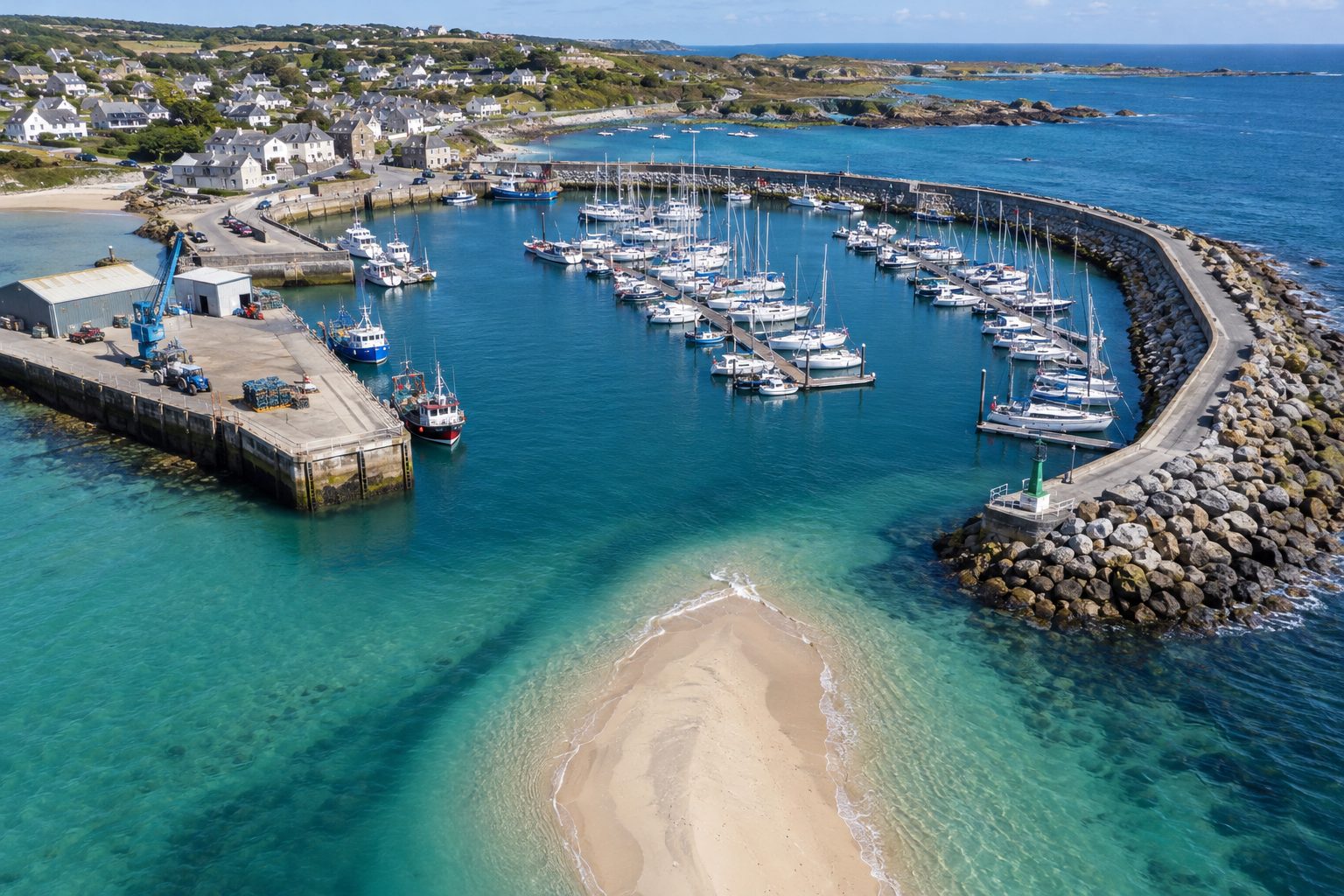
Less sand in the channel, calmer water at the entrance and more days open.
Go to ports and marinas
For private estates, developments and neighbours sharing a coast.
Go to estates and communitiesRising seas and heavier storms are pulling sand off beaches and pushing waves closer to buildings, roads and harbours. Walls and rock can hold a line, but they often lose the beach in front of them.
The good news: a beach can recover. Calm the waves offshore and the sand has a chance to settle and build back up.
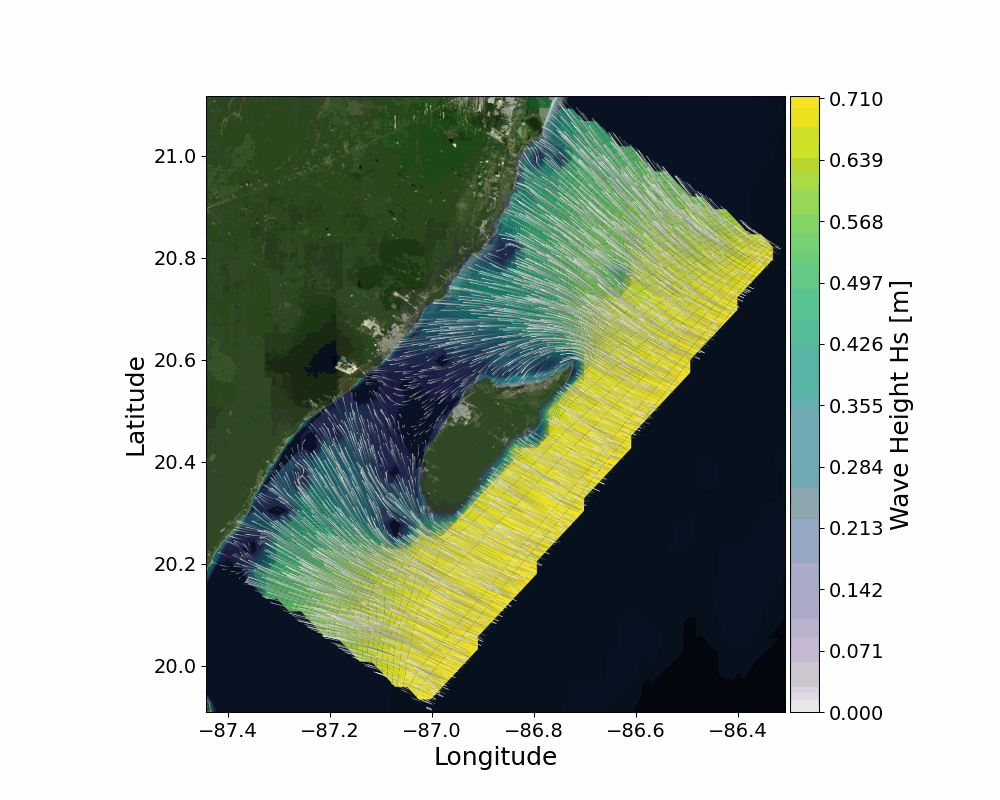
A reef in the wrong place can make erosion worse. So every CCell project starts with modelling at a level of detail usually reserved for offshore engineering: decades of real ocean data, thousands of years of simulated storms, and checks against the real sea.
We don't rely on off-the-shelf software. CCell has built its own suite of CFD, SPH, coastal and stochastic sea-state models for waves, wave-structure interaction and shoreline change, checked against industry-standard SWAN, TELEMAC and XBeach. We also do this modelling for other firms' projects.
Explore our modelling Work with us as a modelling partner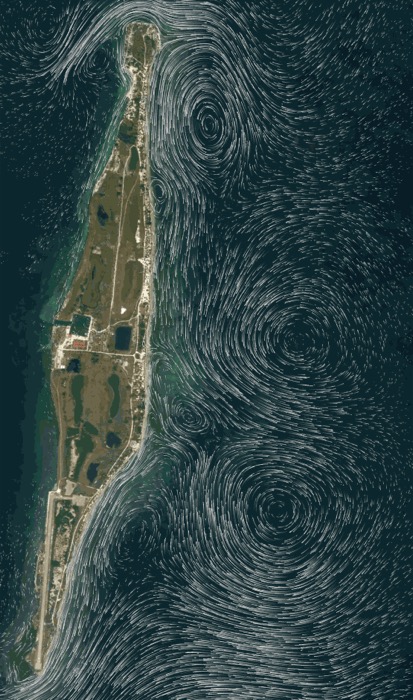
One team from the first model to the last monitoring report, so nothing is lost between design and the water.
A first look at your site, then detailed modelling of waves, currents and sand movement on your coast.
A reef shaped for your conditions, using local and bio-based materials where possible. We handle the permits.
Modular units made locally where we can, and installed with local teams in days, not months.
CCell Sense, our own electronics and sensors, tracks the reef, the beach and the marine life so you can see what is happening.

With the municipality and Yucatan state government, a 50 m reef now protects 250 m of eroding coastline. Installed in three days.
Read the story
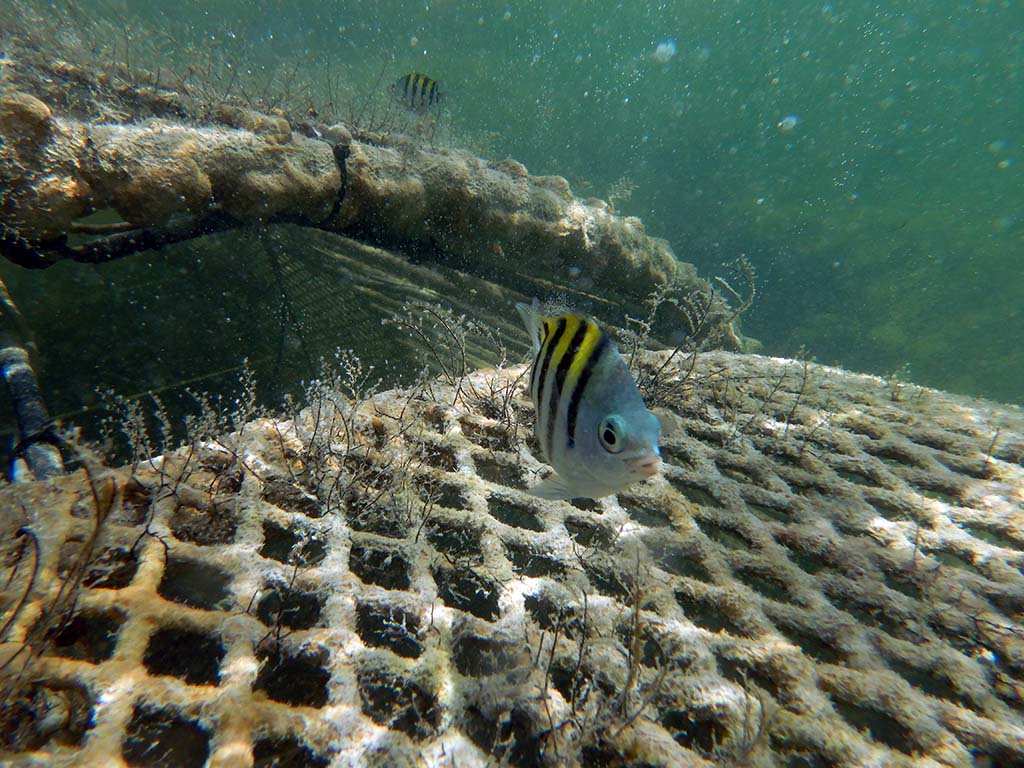
A reef at the end of the resort's 80 m pier turned from bare steel into a living structure in six months.
Read the story
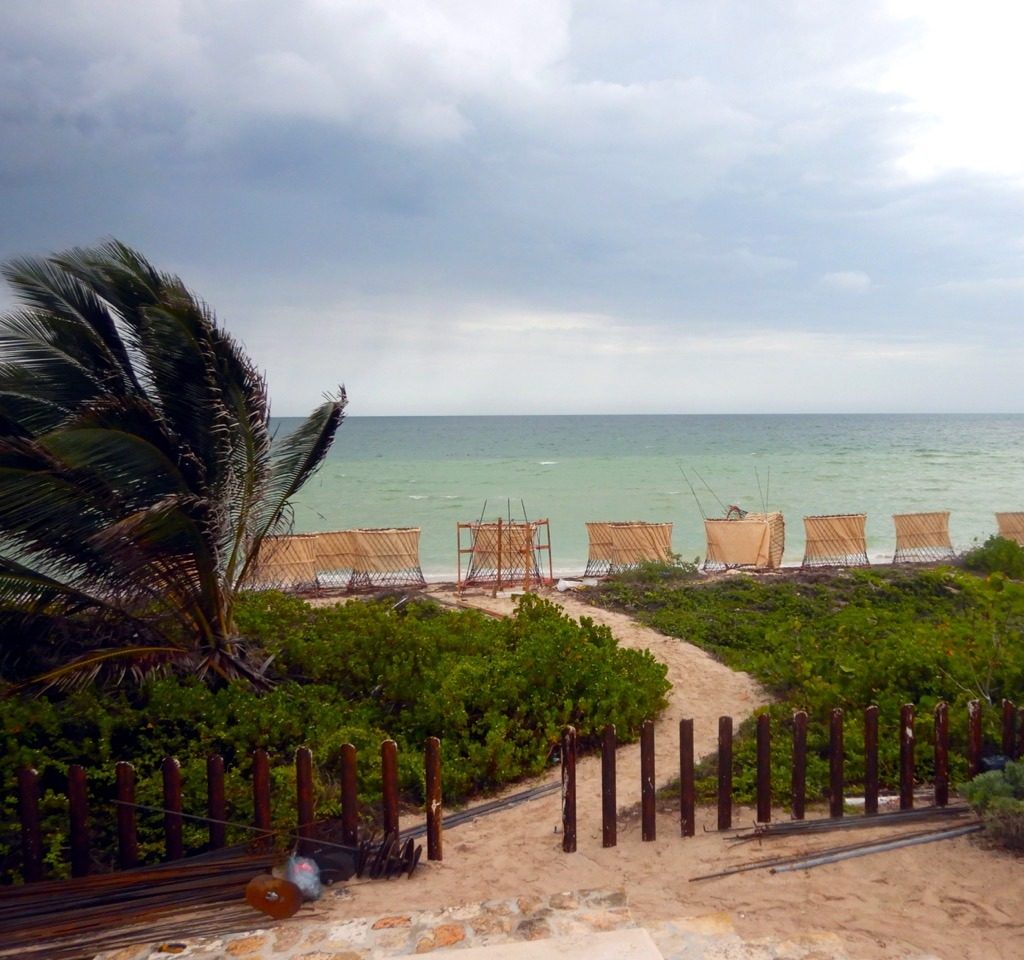
After the 2016 hurricane, our survey found property damage concentrated where there was no offshore reef.
More on our modelling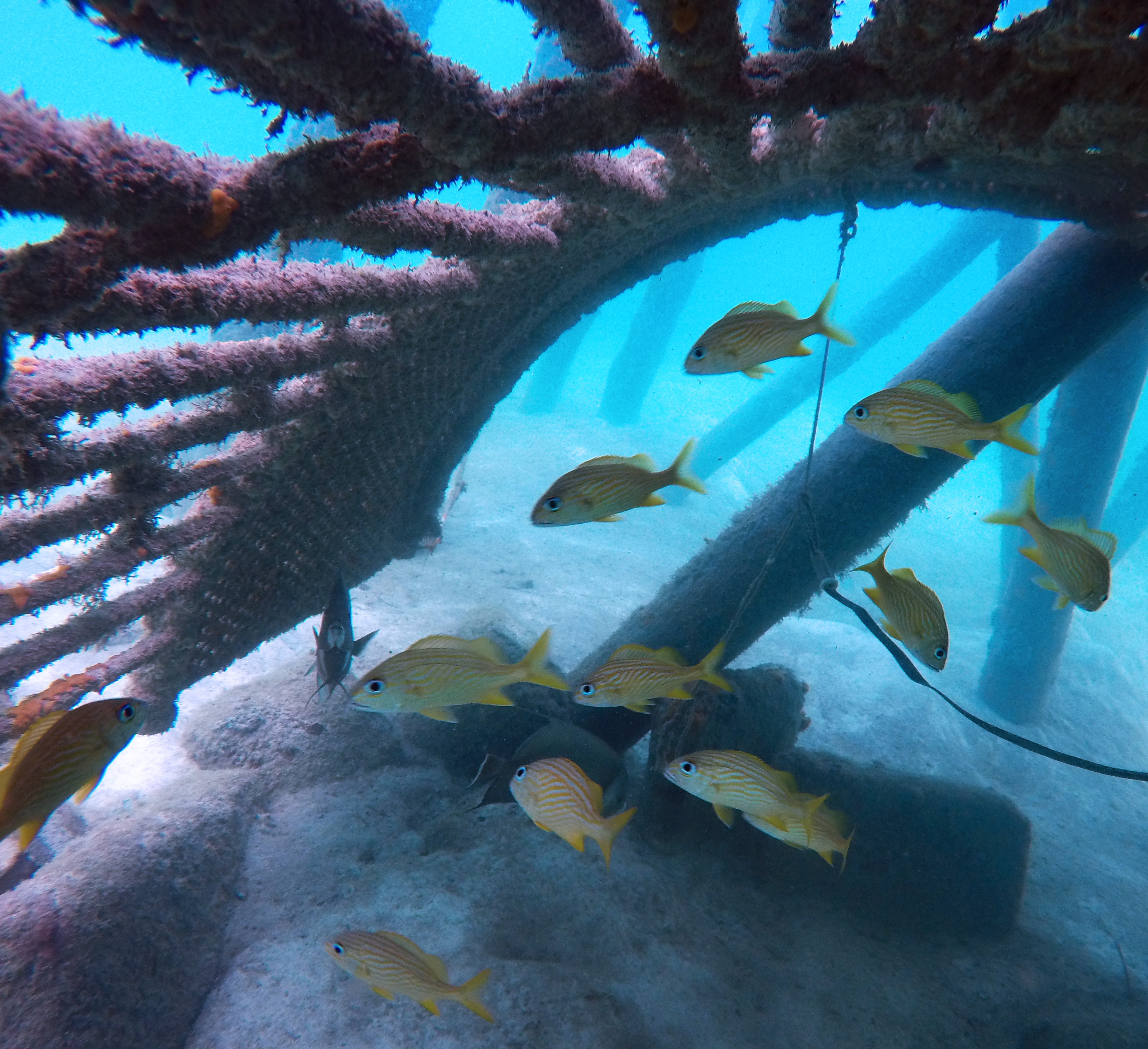
We protect coasts with reefs, not walls, because reefs are struggling worldwide and about a quarter of all marine life depends on them at some point in its life. Every CCell reef becomes a new home for marine life.
Sources: US EPA, Royal Resorts. Our sustainability
Every coast is different, and sometimes a hard defence is the right answer. This is how the main options usually compare.
| Designed reef | Sea wall | Rock armour | Sand top-ups | |
|---|---|---|---|---|
| Keeps the beach | Yes - helps sand settle | Often lost in front of the wall | Partly | Yes, until the next storm |
| Looks | Out of sight, underwater | Concrete on the shore | Rock on the shore | Natural |
| Wildlife | Creates new habitat | Little or none | Some | Disturbs seabed |
| Cost over time | Upfront build, then monitoring | High build, repairs | High build, repairs | Repeated every few years |
Pick the first step that fits you. You only go further if the evidence says it is worth it.
| Hotels and resorts | Free Beach Stability Check | How your beach has changed, how exposed it is and a 1-5 concern rating | Start free check |
| Coastal authorities | Options briefing | Is a reef worth including in your coastal plan or appraisal? | Find out more |
| Engineering partners | Free model-fit call | 30 minutes on your site, question and deadline | Book a call |
| Ports and marinas | Sediment and storm review | Uses your dredging records and wave data | Find out more |
| Estates and communities | Shoreline check | Plus help bringing neighbours together | Find out more |
"We exist to protect and regenerate coastline habitats, by championing elegant, long-term solutions rooted in learning and understanding."










Exploring how space science, data, and marine innovation are reshaping the future of sustainable travel.
Read the post
Manufacture and installation of the CCell hyperboloid reef in the Yucatan, Mexico
Read the post
Tell us who you are and where your coast is. We will point you to the right first step, usually within two working days.
Paul Savill, Head of Client Services
paul@ccell.eco | +44 (0)207 690 0485